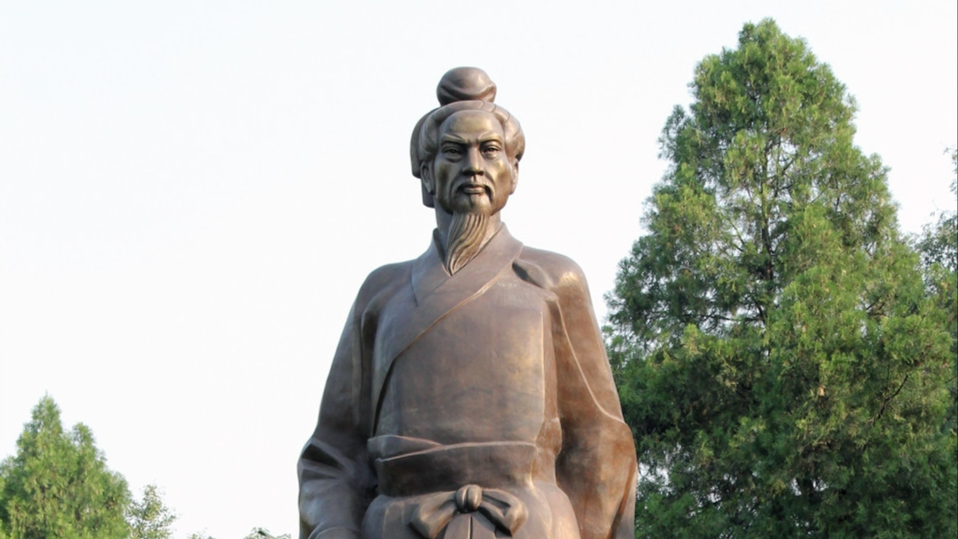
Zhang Zhongjing
Introduction
Zhang Zhongjing, often referred to as the "Medical Sage," was a renowned Chinese physician and pharmacologist of the Eastern Han Dynasty (25-220). He is celebrated for his monumental contributions to traditional Chinese medicine (TCM) and is regarded as one of the most influential figures in the history of Chinese medical science. Born in Nanyang, Henan province, Zhang Zhongjing's legacy is deeply rooted in the development and preservation of TCM principles, practices, and literature. His work has laid the foundation for many aspects of Chinese medicine and continues to inspire practitioners and scholars worldwide.
The Zhang Zhongjing Museum, located in Wancheng district, Nanyang city, Henan province, serves as a tribute to his life and achievements. The museum embodies the concept of a "pan-museum," where every element—from its architecture to its surrounding flora—reflects the profound essence of traditional Chinese medicine. Visitors can explore exhibits that delve into the history of Chinese herbal medicine, anti-epidemic practices, and TCM treatments, offering a comprehensive experience of Zhang Zhongjing's contributions to the field.
Zhang Zhongjing's influence transcends time, as his works and methodologies remain integral to the study and practice of TCM. His seminal text, "Treatise on Febrile and Miscellaneous Diseases," is considered one of the most important medical classics in Chinese history. Through his innovative approaches to diagnosis and treatment, Zhang Zhongjing established a systematic framework for understanding and addressing a wide range of illnesses, emphasizing the balance of yin and yang and the use of herbal prescriptions.
Major Contributions
Zhang Zhongjing's contributions to traditional Chinese medicine are vast and enduring. His most notable achievement is the authorship of the "Treatise on Febrile and Miscellaneous Diseases" (Shang Han Za Bing Lun), a medical text that has profoundly influenced the development of TCM. This work systematically categorizes diseases based on their symptoms, pathogenesis, and treatment methods, providing a comprehensive guide for practitioners. The treatise is divided into two parts: "Shang Han Lun" (Treatise on Cold Damage Disorders) and "Jin Gui Yao Lue" (Essential Prescriptions from the Golden Cabinet), each addressing different aspects of medical practice.
In "Shang Han Lun," Zhang Zhongjing introduced the concept of six meridian patterns, which serve as a diagnostic framework for understanding the progression of febrile diseases. This innovative approach enables physicians to identify the root cause of illnesses and tailor treatments accordingly. The text also emphasizes the importance of pulse diagnosis and inspection, techniques that remain fundamental to TCM practice today.
The "Jin Gui Yao Lue" focuses on miscellaneous diseases and provides detailed prescriptions for various conditions. Zhang Zhongjing's meticulous documentation of herbal formulas and their applications has become a cornerstone of TCM pharmacology. His prescriptions are characterized by their precision and efficacy, reflecting his deep understanding of the therapeutic properties of medicinal herbs.
Zhang Zhongjing's work also highlights the importance of preventive medicine and the concept of maintaining health through balance. He advocated for the integration of diet, lifestyle, and environmental factors into medical practice, emphasizing the interconnectedness of physical, mental, and spiritual well-being. His holistic approach to health has inspired generations of practitioners and continues to shape the philosophy of TCM.
Impact on Traditional Chinese Medicine
Zhang Zhongjing's influence on traditional Chinese medicine is immeasurable. His systematic approach to diagnosis and treatment revolutionized the field, establishing a foundation for the development of TCM theories and practices. The principles outlined in his works have been widely adopted and adapted by subsequent generations of physicians, solidifying his status as a pioneer in the field.
The therapeutic system described in Zhang Zhongjing's texts bears striking similarities to earlier medical practices, such as those documented on ancient bamboo slips unearthed in Sichuan province. These slips, dating back to the Warring States Period (475-221 BC), contain detailed descriptions of diseases, diagnostic methods, and treatments. Researchers have noted parallels between these ancient texts and Zhang Zhongjing's "Treatise on Febrile and Miscellaneous Diseases," suggesting that his work represents a culmination of centuries of medical knowledge.
Zhang Zhongjing's emphasis on the use of herbal medicine has had a lasting impact on TCM pharmacology. His prescriptions, which often combine multiple herbs to achieve synergistic effects, have become a model for the formulation of TCM remedies. The integration of acupuncture, pulse diagnosis, and herbal medicine in his texts reflects a comprehensive approach to healthcare that remains central to TCM practice.
The preservation and promotion of Zhang Zhongjing's legacy have been a focal point in the development of TCM culture. Institutions such as the Zhang Zhongjing Museum and the Medical Sage Cultural Park in Nanyang serve as hubs for education, research, and cultural exchange. These facilities provide opportunities for visitors to immerse themselves in the history and principles of TCM, fostering a deeper appreciation for Zhang Zhongjing's contributions.
Cultural Legacy
Zhang Zhongjing's legacy extends beyond the realm of medicine, influencing Chinese culture and philosophy. His holistic approach to health, which emphasizes balance and harmony, resonates with the principles of Taoism and Confucianism. This philosophical foundation has shaped the cultural perception of health and wellness in China, inspiring practices such as tai chi, meditation, and dietary therapy.
The Zhang Zhongjing Museum and the Medical Sage Cultural Park in Nanyang exemplify the integration of culture and industry. These facilities not only preserve Zhang Zhongjing's contributions but also promote the values of TCM through innovative initiatives. For example, the Zhongjing Drink Shop offers beverages crafted from authentic herbs, blending traditional formulations with modern flavors to appeal to younger generations. This fusion of tradition and innovation reflects the enduring relevance of Zhang Zhongjing's work.
Internationally, Zhang Zhongjing's influence is evident in the growing interest in TCM among foreign practitioners and scholars. Individuals like Wu Ming and Martin Haase have embraced TCM as a means of understanding Chinese culture and addressing health challenges. Their dedication to studying and promoting TCM highlights the universal appeal of Zhang Zhongjing's principles and the potential for cross-cultural exchange.
Through his contributions to medicine, philosophy, and culture, Zhang Zhongjing has left an indelible mark on Chinese history. His work continues to inspire practitioners, scholars, and enthusiasts worldwide, ensuring that his legacy remains a cornerstone of traditional Chinese medicine.








